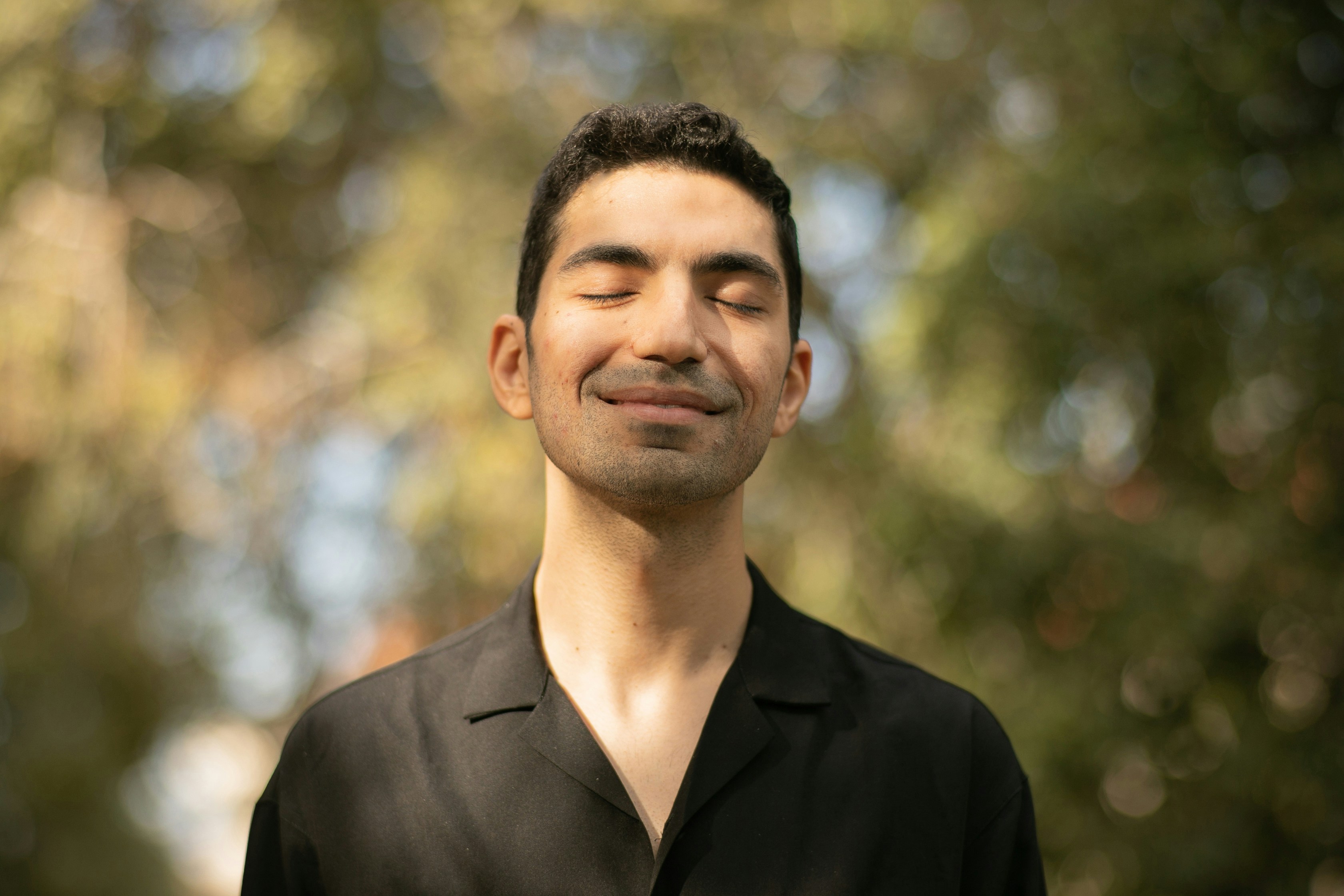
Benessere in Classe: Studenti e Insegnanti

Sviluppo professionale finanziato da Erasmus+ | Siviglia, Spagna 2026

Erasmus+ wellbeing and mental health teacher training course in Seville Spain

Informazioni su questo corso di benessere e salute mentale

Benessere in Classe: Studenti e Insegnanti affronta una delle sfide piu urgenti della scuola contemporanea: creare ambienti di apprendimento che mettano al centro salute mentale, equilibrio e crescita personale. In un contesto segnato da stress crescente e sovraccarico digitale, studenti e docenti sono esposti a burnout e affaticamento emotivo. Il corso fornisce strumenti concreti per fare del benessere una base stabile della didattica.
Attraverso pratiche di mindfulness, tecniche di gestione dello stress basate su evidenze e strumenti della psicologia positiva, i partecipanti impareranno a sviluppare resilienza, autoregolazione emotiva e confini sani. Il corso valorizza la cura di se come responsabilita professionale: il benessere del docente incide direttamente sul clima emotivo e sulla capacita di apprendimento degli studenti.

In definitiva, il corso aiuta gli insegnanti a modellare equilibrio, autenticita e cura, costruendo classi in cui l'apprendimento e sereno, le relazioni sono positive e ogni persona si sente sostenuta.

Cosa imparerai in questo corso

  • Comprendere le basi di stress, burnout e resilienza
  • Tecniche pratiche di mindfulness e meditazione per la classe
  • Strategie per riconoscere e prevenire il burnout docente
  • Creare ambienti di apprendimento psicologicamente sicuri
  • Strumenti di psicologia positiva per studenti e insegnanti
  • Routine di autocura e definizione dei confini professionali
  • Sviluppare resilienza negli studenti con pratiche quotidiane
  • Gestire ansia, conflitti e sovraccarico emotivo

A chi e rivolto questo corso

Questo corso di sviluppo professionale e pensato in particolare per:

  • Docenti di primaria e secondaria interessati a strategie di benessere
  • Counselor scolastici e psicologi che attivano programmi di salute mentale
  • Insegnanti di sostegno che lavorano con studenti fragili
  • Dirigenti e coordinatori scolastici che promuovono culture del benessere
  • Formatori e tutor docenti a supporto del benessere professionale
  • Professionisti dell'educazione che cercano equilibrio vita-lavoro

Benefici principali e risultati di apprendimento

Competenze professionali

  • Padroneggiare tecniche di mindfulness adattabili a ogni classe
  • Applicare routine di riduzione dello stress per studenti e docenti
  • Progettare attivita didattiche centrate sul benessere
  • Riconoscere segnali precoci di burnout e ansia

Impatto professionale

  • Europass Mobility Certificate (20 hours)
  • Sviluppo professionale riconosciuto Erasmus+
  • Miglioramento del benessere personale e della soddisfazione lavorativa
  • Migliore partecipazione degli studenti e clima di classe
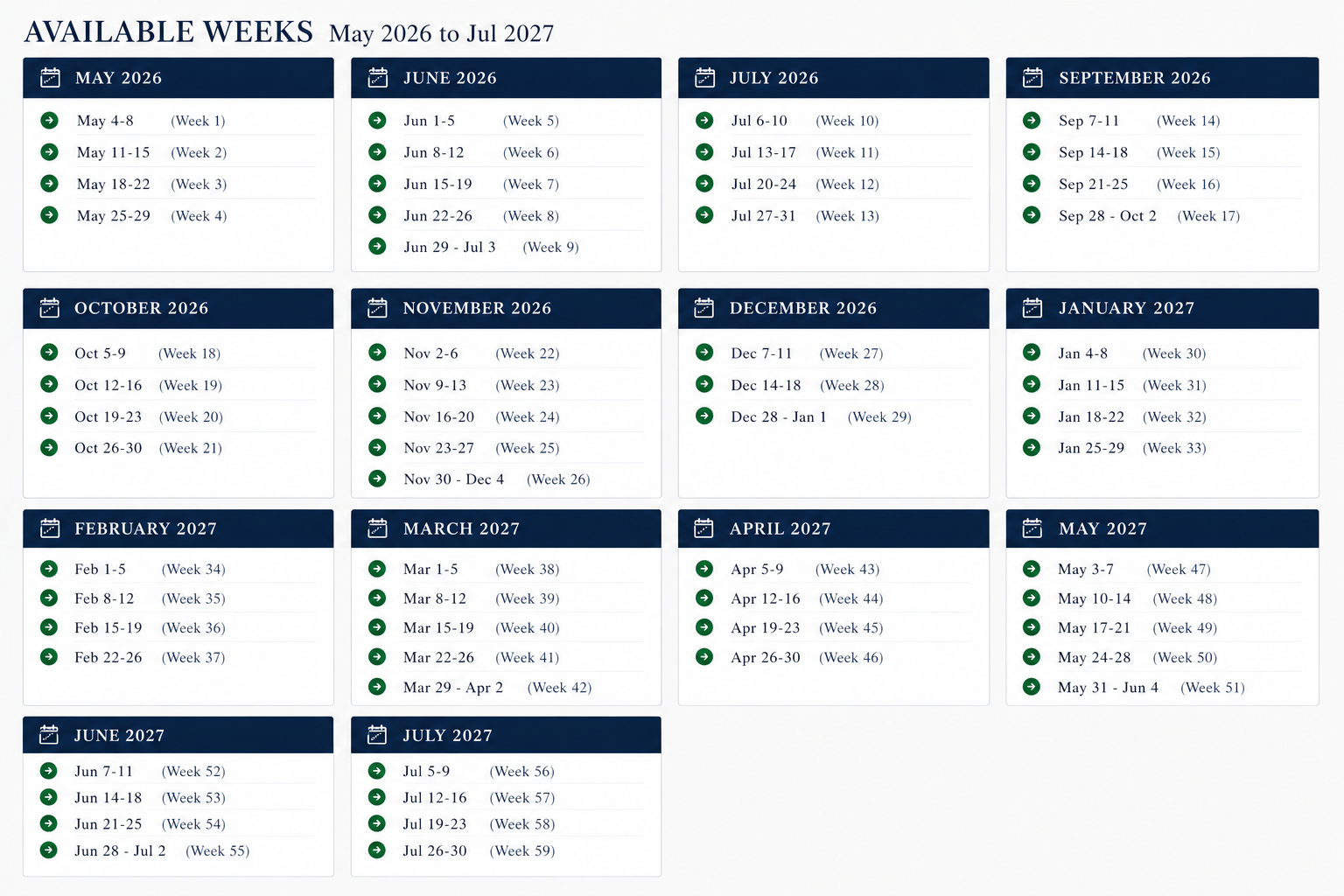
Costo del corso

€480

Posti disponibili

20 partecipanti per sessione

Durata

5 giorni (lunedi-venerdi)

Orario

Sessioni mattina e pomeriggio

Lingua

Italiano

Idoneo Erasmus+

✓ Si

Course Learning Objectives

1. Understand the neuroscience of stress, burnout, and resilience

Participants will explore the biological and psychological mechanisms behind stress and burnout, gaining insight into how chronic pressure affects the brain, nervous system, and overall wellbeing. The course will examine the difference between productive stress and harmful distress, and introduce the concept of resilience as a learnable skill rather than an innate trait. Teachers will discover how their own stress levels directly influence classroom climate, student behavior, and learning outcomes. By understanding the science of wellbeing, educators can make informed choices about self-care practices, boundary-setting, and sustainable teaching approaches that protect both their own mental health and that of their students.

Neuroscience of stress and resilience

2. Master practical mindfulness and relaxation techniques for classroom use

This objective introduces participants to evidence-based mindfulness practices that can be seamlessly integrated into daily classroom routines. Teachers will learn breathing exercises, body scan meditations, mindful movement, and focused attention activities suitable for different age groups and learning contexts. These techniques are not abstract concepts but practical tools that help students regulate emotions, improve concentration, and develop self-awareness. Participants will also practice these techniques themselves, experiencing firsthand how mindfulness reduces anxiety, enhances presence, and creates mental space. By the end of this module, educators will have a repertoire of simple, accessible practices they can use to transform stressful moments into opportunities for calm and connection.

Mindfulness practices for classrooms

3. Develop self-care routines and strategies to prevent teacher burnout

A core principle of this course is that teachers cannot pour from an empty cup. This objective focuses on helping educators recognize early warning signs of burnout—exhaustion, cynicism, reduced effectiveness—and implement proactive self-care strategies. Participants will explore the importance of boundaries, time management, and saying "no" without guilt. They will design personalized self-care plans that include physical, emotional, social, and spiritual dimensions of wellbeing. The course also addresses systemic issues, encouraging teachers to advocate for healthier workplace cultures. By prioritizing their own wellbeing, educators model healthy habits for students and ensure they have the energy, passion, and resilience needed for sustainable, joyful teaching careers.

Self-care and burnout prevention

4. Create psychologically safe and wellbeing-centered learning environments

The final objective brings together all previous learning to help teachers design classrooms where mental health is valued as much as academic achievement. Participants will learn how to establish routines, norms, and communication patterns that foster psychological safety—where students feel comfortable taking risks, expressing emotions, and asking for help. The course will explore how positive psychology principles like gratitude, strengths-based learning, and authentic connection can be woven into everyday teaching. Special attention will be given to supporting students experiencing anxiety, trauma, or emotional challenges. Ultimately, educators will leave equipped to create learning communities where wellbeing is not a separate topic but the very foundation of education—preparing students not just for tests, but for balanced, meaningful, resilient lives.

Psychological safety in classrooms

Frequently Asked Questions

Everything you need to know about our Wellbeing in the Classroom course

Great question! It's really both. We believe you can't pour from an empty cup, so we help you strengthen your own wellbeing first. Then, you'll learn practical tools to share with your students. It's a circle: when you're calmer and more grounded, your whole classroom becomes a safer, more resilient space.

We'll practice together! Short mindfulness exercises, breathing techniques that calm the nervous system, ways to help students regain focus, and honest conversations about conflict. Everything we do is hands-on so you can test it, feel it, and walk away knowing exactly how to use it on Monday morning in your own classroom.

No! Not at all. Whether you've never tried mindfulness or you're already running meditation sessions, this course meets you where you are. We welcome complete beginners and also teachers who want to deepen their practice. There's space for everyone.

We start with a quick theory foundation so you understand the 'why,' then we move into doing—practising techniques together, talking with other teachers about real situations, and designing activities you can use. It's balanced and energized, never just sitting and listening.

You'll walk away with two action plans: one for your own wellbeing so you stay grounded, and one for your classroom with ready-to-use routines and activities. Plus, simple ways to measure if it's working. No guessing, just clear next steps.

You'll get an official Certificate and a Europass Mobility document (recognized across Europe) for your 20 hours. Perfect for your CV, school records, and professional development portfolio. We make sure it's all official and properly documented.

Absolutely! In fact, we love when colleagues come together. You speak the same language, understand your school's rhythms, and can plan implementation together from day one. It makes the change stick so much better.

Teachers tell us they feel calmer, more aware of their triggers, and better at handling the tough moments. Students notice it too—the classroom feels safer, friendships improve, and everyone focuses better. It's not magic, but it's real and lasting change.